What a Private Oncology Consultation Actually Involves
The first meeting with a cancer specialist is often the one patients remember most, and the one they remember least clearly. Knowing the usual shape of the appointment makes it easier to prepare, to ask the right questions and to leave with a plan that makes sense.
Before the appointment
Preparation starts with paperwork. Gather referral letters, scan reports and images, pathology results, blood tests and a list of every medicine and supplement, with doses. A short timeline of symptoms, written in plain words, helps the consultant understand the story quickly.
Many private consultants arrange appointments within days, and some offer video consultations when a patient lives far from London. The practice of Dr James Wilson, consultant oncologist, for example, states that patients can be seen in person at independent hospitals in London or by video from anywhere, and it offers a second-opinion service for people who already have a diagnosis and a proposed plan.
Ask the practice what to send ahead. Records that arrive before the appointment let the consultant read scans and reports in advance, which makes the time together more useful. Write down your three most important questions the night before and keep them on the first page of your notes.
The consultation itself
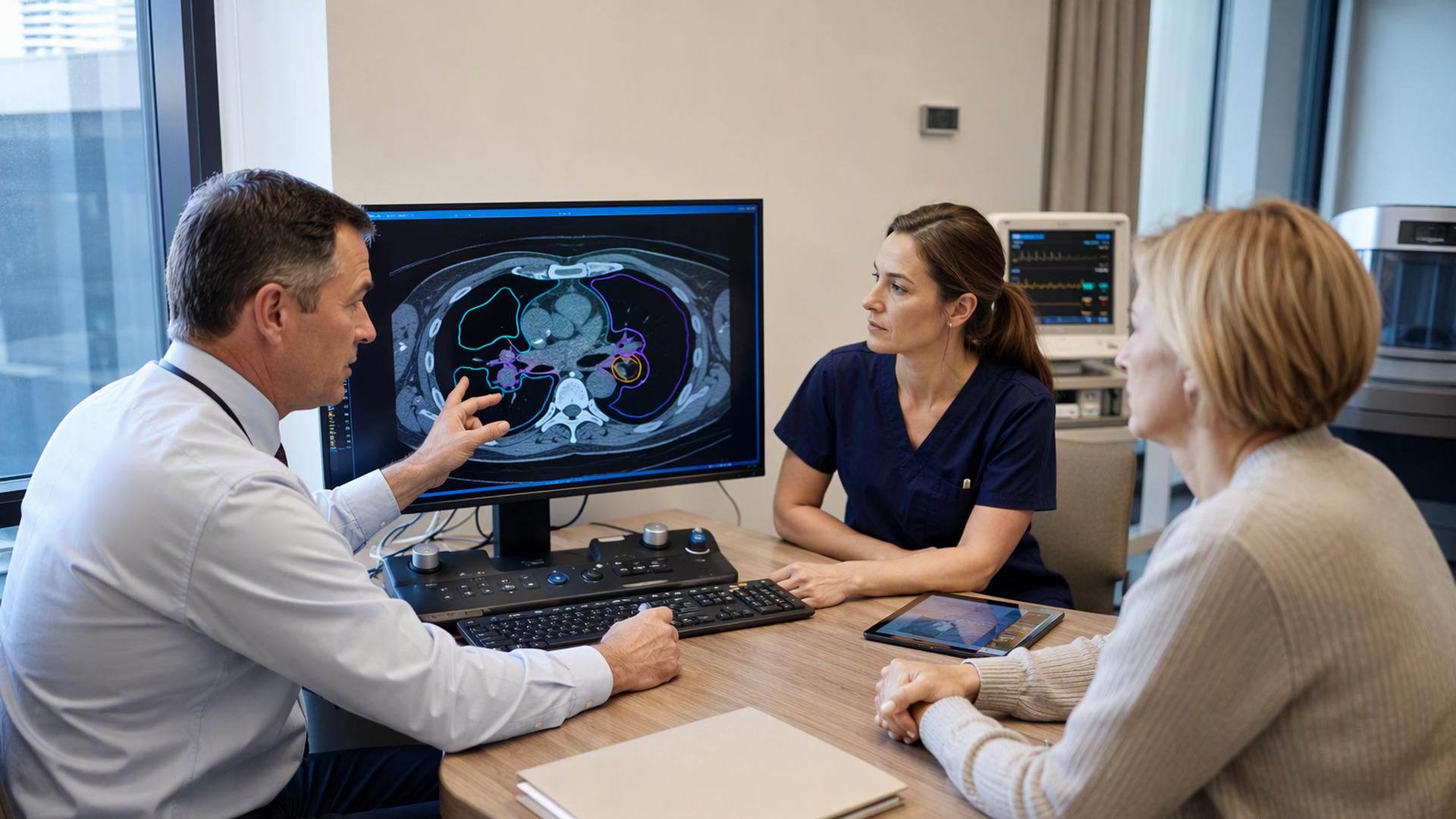
The meeting typically begins with the consultant asking about symptoms, previous illnesses, family history, medicines and daily life. An examination may follow, and the consultant reviews scans and pathology reports, sometimes with images on screen. A good consultant explains in plain language what the findings mean, including the type of cancer, how far it has spread if that is known and what is still uncertain.
Macmillan Cancer Support gives practical advice for these appointments in its guide to asking questions about a diagnosis. It suggests taking a copy of the page with you, asking someone to come with you, and asking about your treatment options, and it notes that someone should be available after the first appointment to discuss your diagnosis, usually a clinical nurse specialist.
Bring a notebook or ask if recording the conversation is allowed. People in shock retain little, and notes or a trusted companion fill the gaps afterward. Do not worry about asking the same question twice. Specialists expect it, and a clear answer on the second attempt is more valuable than a polite nod on the first. If a term is unfamiliar, ask for it to be written down, and ask what you can read afterward that comes from a reliable source such as a cancer charity.
Tests and decisions that follow
Few treatment plans are finalized at a first meeting. The consultant may recommend further scans to stage the cancer, a biopsy if one has not been done, or specialist tests on tumor tissue that can guide drug choices. These steps decide what treatments are possible.
Many cancers are discussed at a multidisciplinary team meeting, where surgeons, radiologists, pathologists and oncologists agree a recommendation together. Ask if your case will be presented and how the outcome will be explained to you.
The practice of Dr Wilson states that scans and tests can be arranged quickly, and that he works with partner hospitals and colleagues, including surgeons, dermatologists and other specialists, when treatment involves more than radiotherapy or drugs. Patients should ask what the timetable is for each step and who will call with results. Note down each date in one place so nothing is missed. A shared calendar works well for couples and families.
Treatment options that may be discussed
The options depend on the cancer and its stage. Clinical oncologists commonly discuss radiotherapy, systemic therapy such as chemotherapy, targeted drugs or immunotherapy, and how these might combine with surgery performed by colleagues. For some patients the discussion includes clinical trials or specialized radiotherapy.
Dr Wilson's practice describes experience with advanced radiotherapy techniques including stereotactic body radiotherapy, and says that proton beam therapy is available through partnerships in London. Whether any of these suits an individual patient is a medical judgment that depends on the details of the case.
Ask for the pros and cons of each option, the expected side effects, how long treatment would take and what the plan is if the first approach does not work. Ask also what happens if you decide to wait or to seek another opinion. A considered answer should not feel rushed. If it does, say so and ask for more time.
After the consultation
Leave with clarity on next steps. You should know which tests are booked, who to contact with questions, and when you will hear back. A letter summarizing the consultation is usually sent to the patient and to the GP, and asking for a copy keeps your own records complete.
Check the practical side as well. Ask for written costs, confirm insurance authorization for any further tests or treatment and note the names of the nurse or secretary who coordinates care. Many patients find that one named contact reduces anxiety more than any leaflet. Keep their direct number in your phone and write down the best times to call. Ask who answers when that person is away.
This article gives general information only. Anyone with urgent symptoms should contact their GP or NHS 111, or call 999 in an emergency, and decisions about treatment belong with a patient and their treating doctors.